

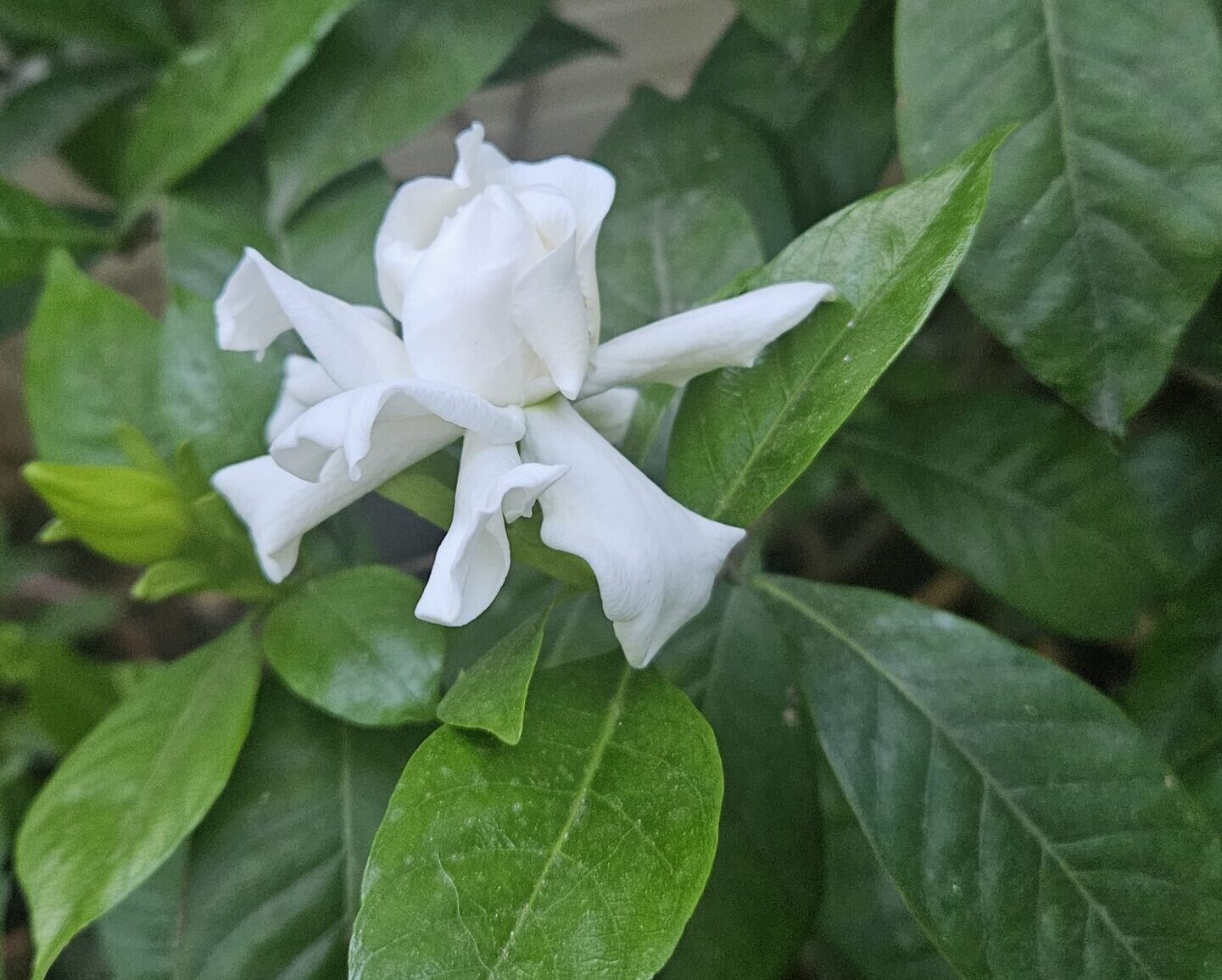

I’ve come to believe that the things we work hardest for often become the things we cherish the most. With this, it is without a doubt that I have grown so much fondness with gardenias or what we locally call in the Philippines as rosal. Over the years, my admiration for gardenias has only deepened through the many attempts, challenges, and small victories I experienced while learning how to grow them successfully and encourage them to bloom. In this post, let me walk you through my journey with my gardenias.
In January 2024, I bought my first pot of gardenia. At this point, I had already failed on two jasmine plants and so I moved on to trying to make gardenia’s work. My dream is to have a very fragrantly-welcoming front yard filled with colorful flowers… Is that too much to ask? 🤔 Whenever I would get a new plant, I’d get so obsessed of researching about it through YouTube videos and blog sites. However, I never really found that *one page* that would help me as they’re all authored by plant lovers abroad.

This was back in October 2024, I am proudly showing off my five pots of varied gardenia plants. I was told that the gardenias are among the most finicky plants you could ever grow. They’re drama queens. If you don’t get the watering right, they’re dead. If you don’t get the feeding right, they’re dead. If you don’t get the humidity right, they’re dead. I must admit, they’re a little too intimidating for someone who’s just trying to discover her plantita era but I was determined to make them bloom.
The journey turned into a roller coaster of trial and error, small victories, and heartbreaking setbacks, with probably two or three casualties along the way. One of the most devastating moments was when several of my pots became infested with green oleander hawk moth caterpillars. These pests are incredibly voracious feeders. Leave your plants unchecked for even just a couple of days, and you may return to find leaves stripped bare almost overnight. It was frustrating and disheartening, but it also taught me one of the biggest lessons in growing gardenias: consistency and observation are everything.
Eventually, I decided to transplant my largest gardenia from its pot into the ground. From being a once-struggling plant that had been heavily battered by caterpillars, it has now transformed into one of the hardiest and most resilient gardenias in my collection. Watching it recover, adapt, and thrive has been one of the most rewarding parts of my gardening journey.

My gardenias bloom usually on the first few months of the year or up until the end of summer. I had mapped this timeline from the two years I’ve been trying to make it bloom. I was so diligent in making sure there will be no caterpillars lingering underneath its leaves, making sure I feed it with more phosphorous than nitrogen, and I don’t miss watering it daily especially now that it’s summer in the Philippines. Fortunately, I have been blessed with 16 buds from my sturdiest gardenia on the ground this year and, so far, four of them have already bloomed. Their intoxicating fragrance, elegant white flowers, and demanding nature make every bloom feel incredibly rewarding.

Making my gardenias bloom feels very rewarding as I slowly understand their needs. They thrive in warm, humid environments, and enjoy bright morning sunlight with some protection from the harsh afternoon heat. While they can tolerate full sun, I noticed my gardenias performed best with at least a little afternoon shade, especially during the peak of summer.
Feeding also plays a huge role in encouraging healthy growth and blooms. Since gardenias prefer slightly acidic soil, fertilizers formulated for acid-loving plants work best. I noticed healthier leaves and more flower buds (oh yes, I have gone though a phase of bud drops..it was horrific!) when I regularly provided them with a scheduled fertilizer routine and an occasional magnesium supplement through diluted Epsom salt sprays. I could probably create a YouTube video about this whole routine and link it here.
Growing gardenias in the Philippines may require patience, consistency, and a willingness to learn from mistakes, but once those fragrant white blooms appear, every bit of effort becomes worth it.
Let’s socialize:
Twitter: @couchwasabi
Instagram: @jirbiego
Tiktok: couchwasabi
Leave a Reply
You must be logged in to post a comment.