

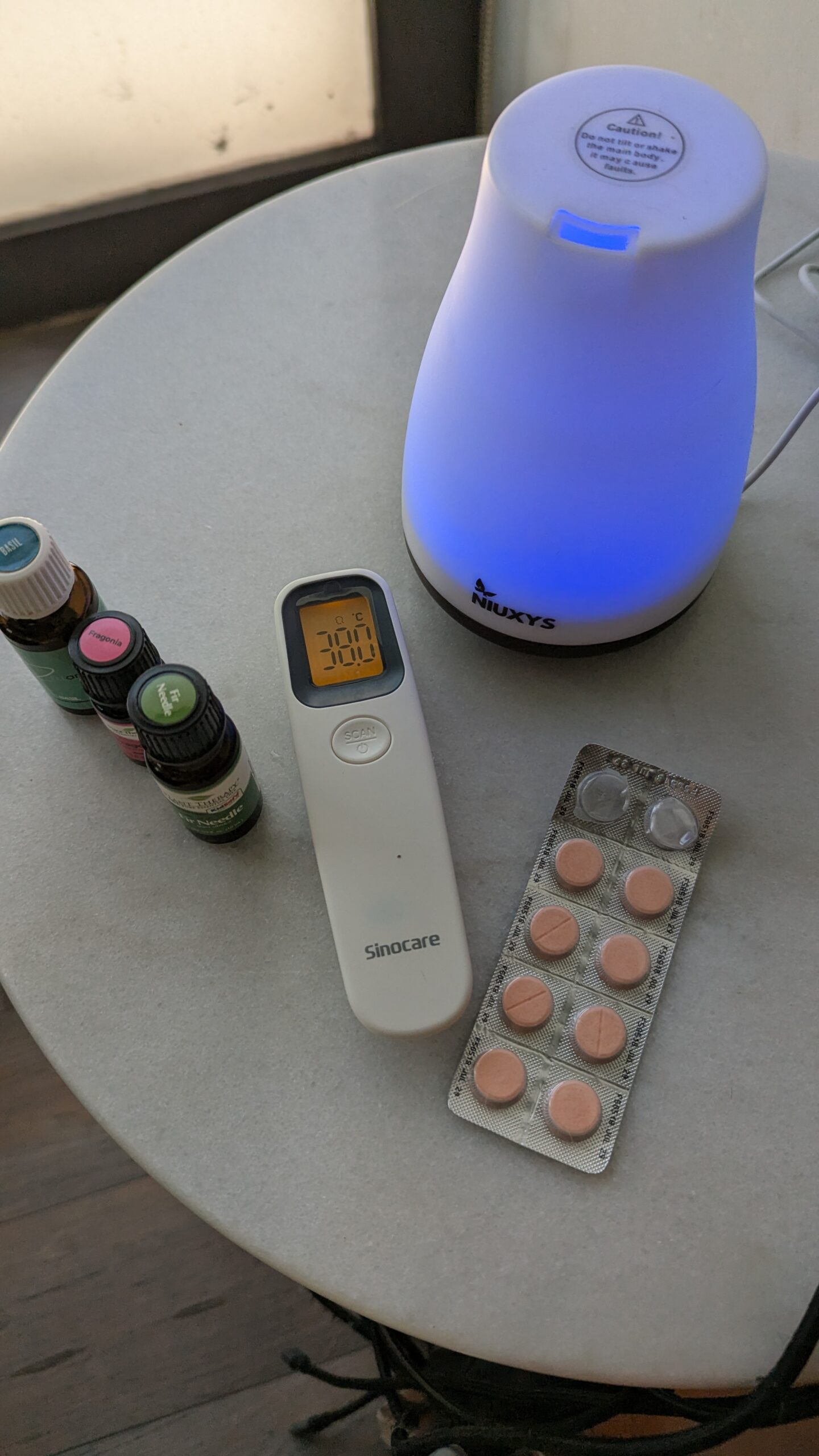

Workplace burnout is often described as emotional exhaustion, mental fatigue, or simply “being overworked.” But burnout is more than feeling tired after a demanding week—it is a chronic state of physical, emotional, and mental depletion caused by prolonged stress. In today’s fast-paced work culture, many professionals normalize long hours, skipped meals, poor sleep, and constant pressure to perform. Over time, however, the body keeps score.
Burnout can manifest physically in ways many people do not immediately associate with stress. Persistent fatigue that does not improve with rest is one of the earliest signs. People may also experience frequent headaches, muscle tension, digestive issues such as bloating or acid reflux, insomnia, heart palpitations, appetite changes, and recurrent illnesses like colds or infections. This happens because chronic stress activates the body’s stress response system, increasing hormones such as cortisol and adrenaline. While these hormones are helpful in short bursts—such as responding to immediate danger—constant activation places the body in a prolonged “fight or flight” state, disrupting normal healing, immunity, and hormonal balance.
One of the lesser-known effects of burnout is its impact on the immune system. Chronic stress can dysregulate immune function, sometimes suppressing the body’s ability to fight infections and, in some cases, contributing to inflammation. Persistent inflammation has been linked to a variety of chronic health concerns, including cardiovascular disease, metabolic disorders, and immune dysfunction. While stress alone does not directly “cause” autoimmune diseases in a simple one-to-one way, research suggests it may act as a trigger or exacerbating factor in individuals who are already genetically or biologically predisposed. Conditions such as rheumatoid arthritis, lupus, psoriasis, Hashimoto’s thyroiditis, and inflammatory bowel diseases have all been studied for possible associations with chronic psychological stress.

The mind-body connection is powerful. When someone feels emotionally overwhelmed for months or years, the nervous system may remain in a constant state of hypervigilance. Sleep becomes shallow, recovery slows, and the body may struggle to regulate inflammation properly. Some individuals notice mysterious symptoms before recognizing burnout as a contributing factor—joint pain, unexplained skin flare-ups, chronic digestive discomfort, migraines, or worsening fatigue. Because these symptoms overlap with many medical conditions, professional medical evaluation is essential rather than assuming stress is the sole cause.
Preventing burnout requires more than taking a weekend off. True recovery often involves structural changes: setting healthier work boundaries, prioritizing restorative sleep, taking regular movement breaks, nourishing the body consistently, and addressing workplace conditions that drive chronic overload. Emotional support matters too, whether through counseling, coaching, peer support, or stress management practices such as mindfulness, breathing exercises, or gentle physical activity. Employers also play a critical role in fostering psychologically healthy workplaces where workload, expectations, and recovery are taken seriously.
Burnout is not a personal failure or a sign of weakness—it is often the body’s signal that chronic demands have exceeded available recovery. Recognizing the physical warning signs early can help prevent more serious health consequences. When stress begins showing up in the body, it deserves attention just as much as any other health concern.
Let’s socialize:
Twitter: @couchwasabi
Instagram: @jirbiego
Tiktok: couchwasabi
Leave a Reply
You must be logged in to post a comment.